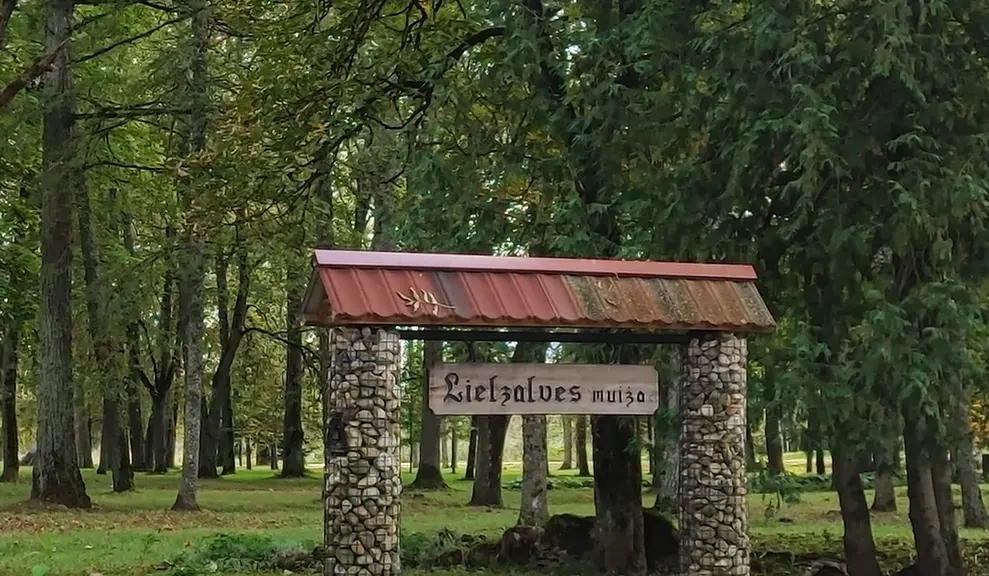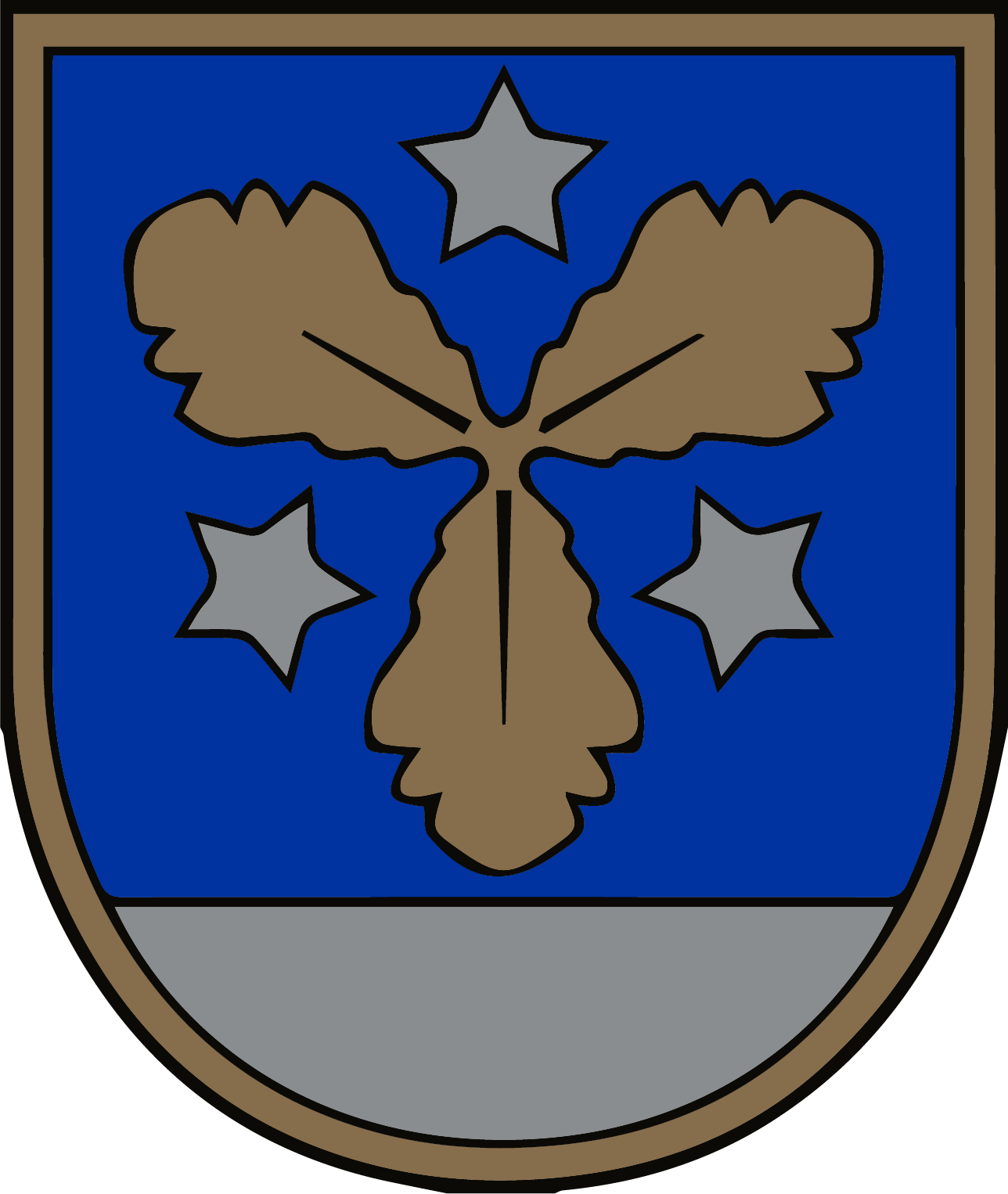
Lielzalve manor
- Zalve, Zalves pagasts, Aizkraukles novads, Latvija, LV-5112
- (+371) 28709378
- (+371) 27071996
- 56.326195, 25.247431
- Waze
- Google maps
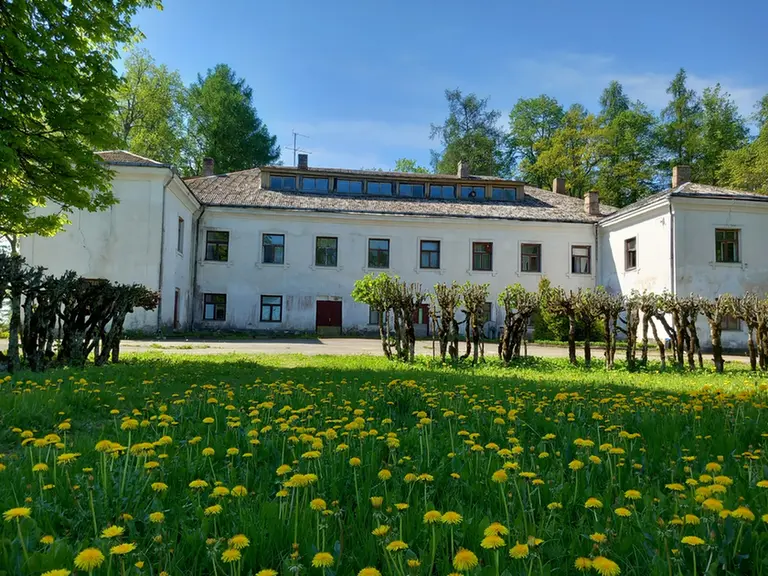
Zalve is first mentioned in historical records in 1554. Lielzalve Manor was a manor of the Livonian Order knights. After the collapse of Livonia (1561–1562), the lands along the Zalvīte River were granted as a fief or transferred into possession together with the lands of Nereta and Daudzeva manors to the former commander of the Livonian Order (head of an administrative district), Wilhelm von Effern.
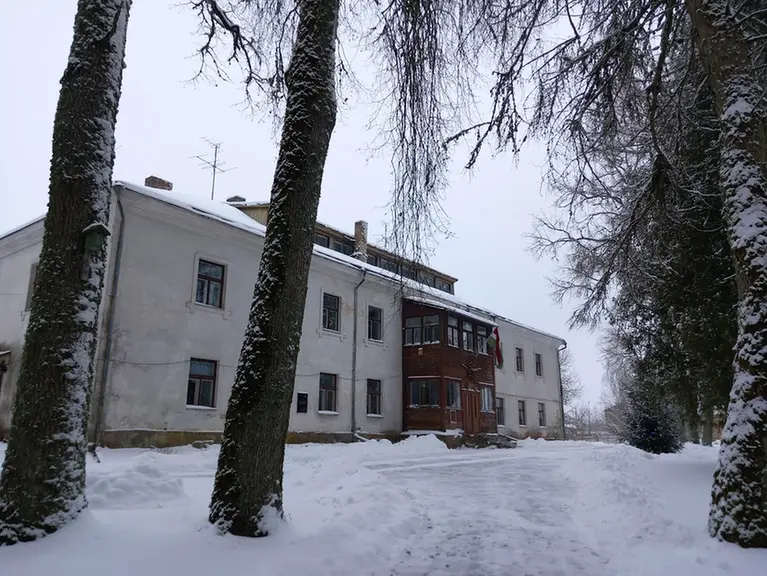
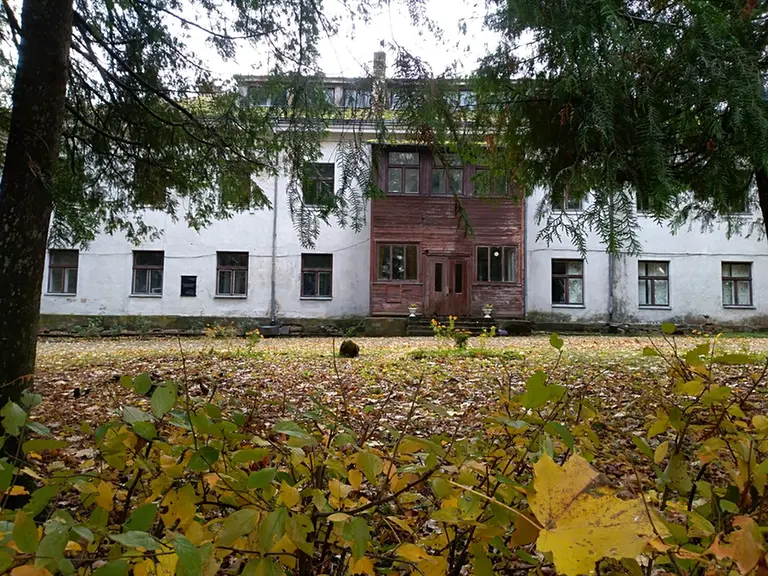
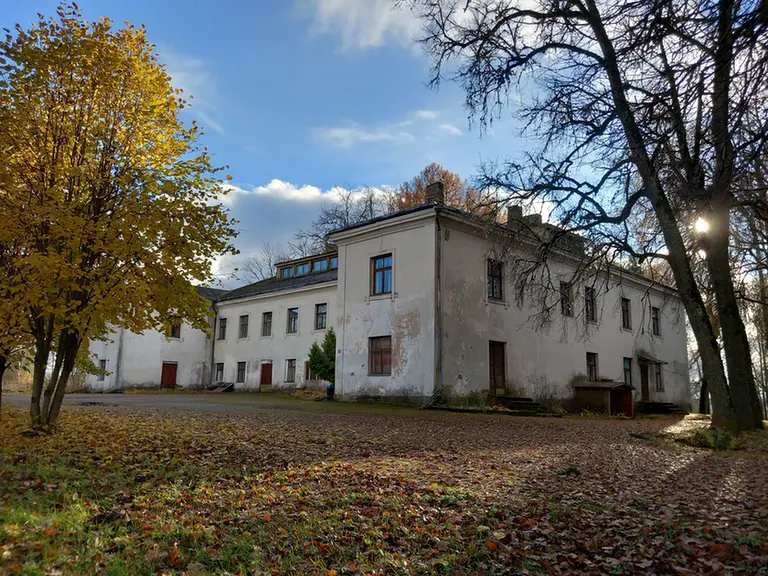
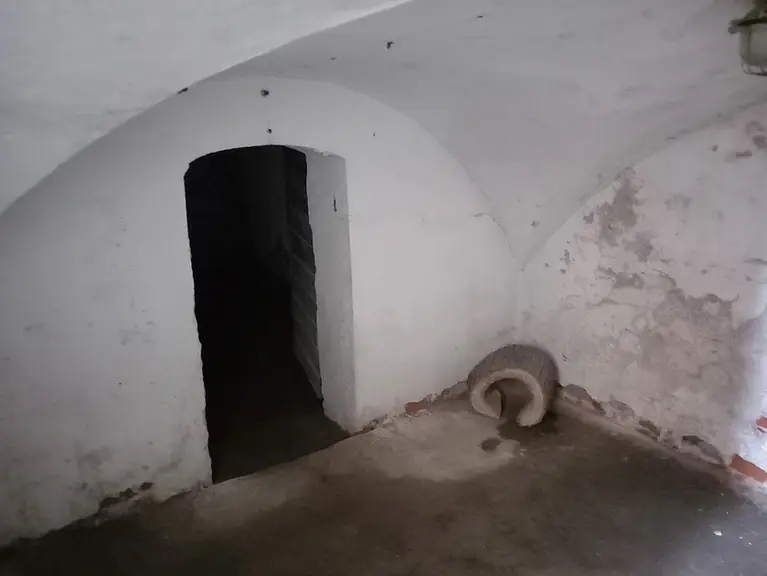
The manor’s hunting lodge, or lord’s house, was built in 1676 during the reign of Duke Jacob Kettler, as these lands were part of the Duchy of Courland and Semigallia (1562–1795). Parts of the original foundations and cellars have been preserved in the manor house; fragments of dismantled ornate stove tiles have been found, as well as shillings from the Polish–Lithuanian Commonwealth.
Each century has left traces of its era in the manor building. The manor belonged at various times to the von Plettenbergs (Walter Plettenberg, his daughter Elisabeth, etc.), the Wahlen family (Benjamin, his daughter Konstance Ursula), the Brackel family (Kazimir Christoph, his son Friedrich Kazimir), the Korff family (Nikolaus von Korff and his wife Konstance Ursula, their son Nikolaus Ernst von Korff, born in Brukna), the Zubov family (Valerian and his brother Platon), and the Counts Shuvalov (1826–1920). The last owners of the manor were Pavel Shuvalov, son of Counts Tekla and Andrei Shuvalov, and his grandson Alexander Shuvalov.
After the land privatization in 1922, about 8,000 hectares of manor land were divided into new farms, while the palace was handed over for the needs of Zalve School, as the original school building had burned down. Zalve Primary School operated with interruptions during the First and Second World Wars, when a German hospital was housed there, until the school was closed in 2009.
The more than three-and-a-half-century-old manor house is surrounded by legends of good and bad masters, the customs and habits of its inhabitants, underground passages, adventures, and ghost stories.
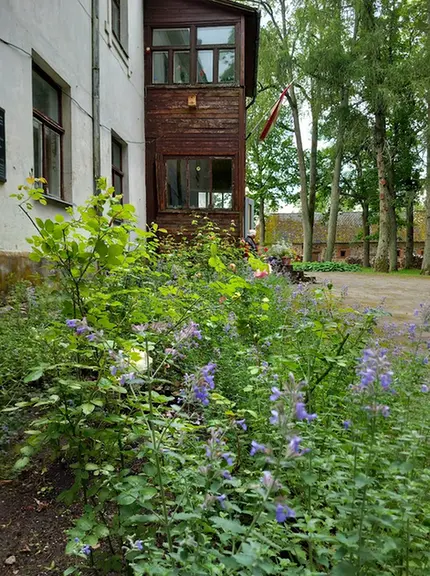
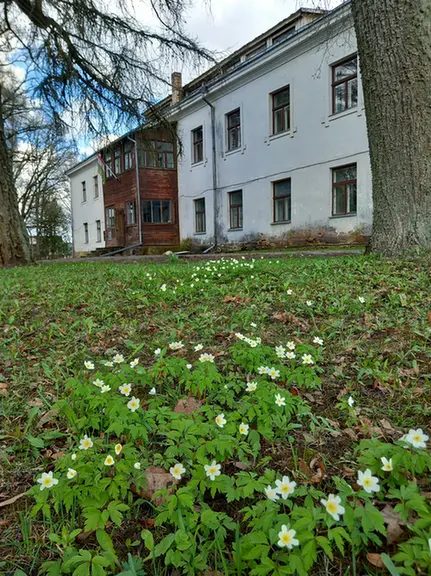
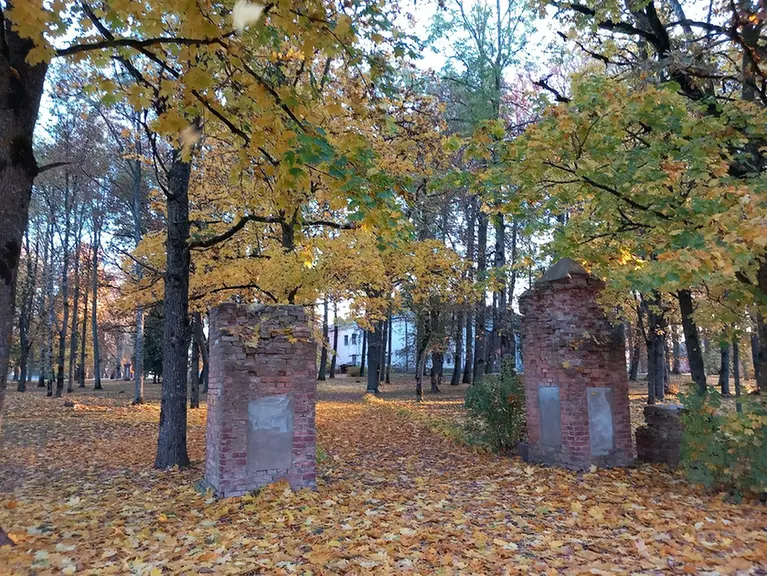
In the 20th century, the former hunting lodge lost valuable architectural features and underwent interior reconstructions. Nevertheless, it remains an essential part of the former manor complex, which together with the park and the granary still forms a cultural and historical environment.
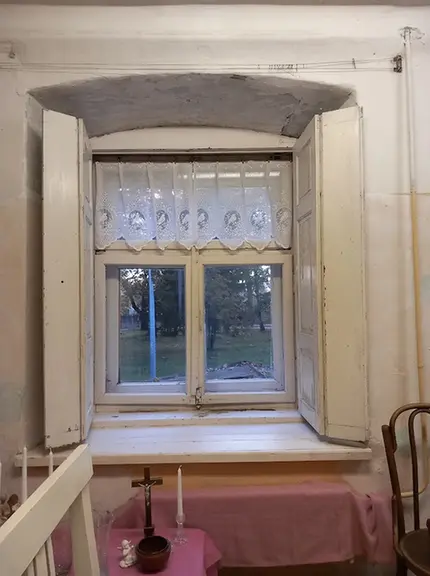
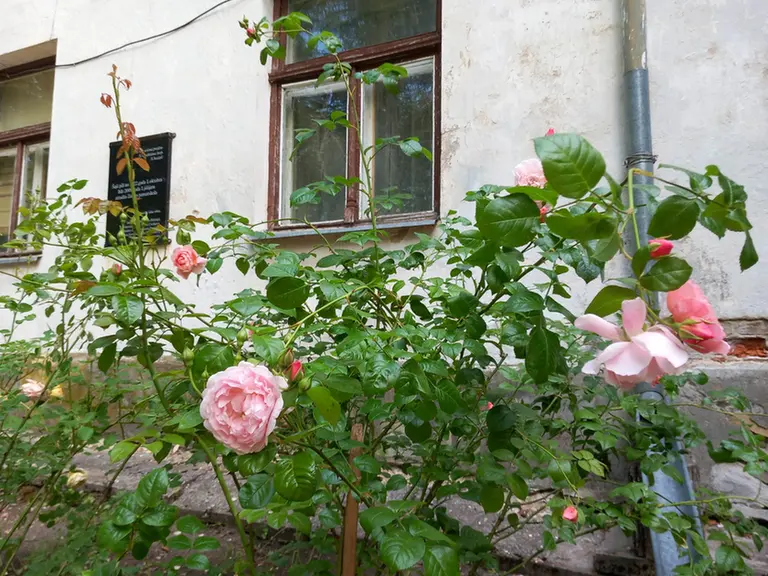
The building’s volume and façade composition, walls approximately 100 cm thick, and an arched corridor are considered valuable. Part of the interior layout has been preserved, with rooms grouped in enfilades typical of Baroque structure. Evidence from the 18th and 19th centuries includes historical carpentry elements (door leaves, window shutters, an arched window originally with small panes, doors leading to the second-floor balcony, double windows with external drip moldings decorated with decorative capitals, etc.). From the 19th century and the first half of the 20th century, plank and parquet floors and examples of hexagonal brick floor tiles have survived. Unique interior elements include a mid-19th-century corner fireplace with a mantel and a tiled stove in the Rose Hall.
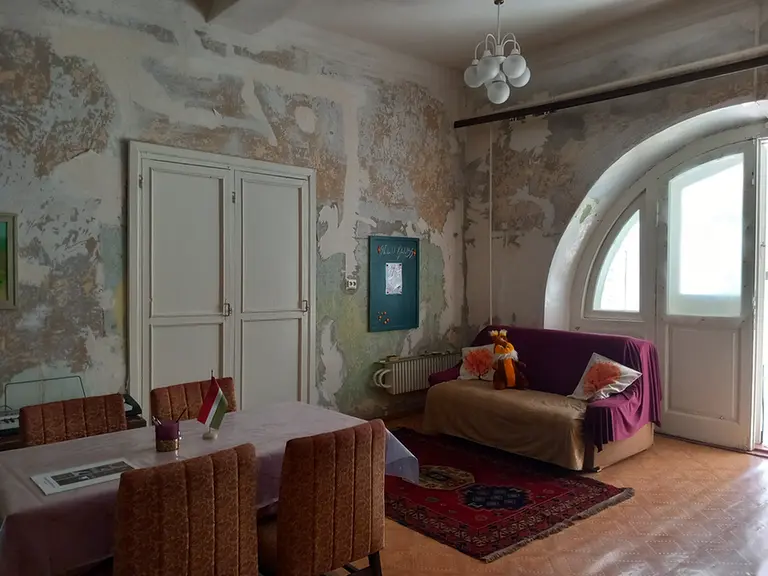
The former splendor of the manor house or hunting lodge is also evidenced by historical decorative interior finishes—more than 100-year-old decorative wall painting variants and wall finishes, as well as painted plinths. Almost all rooms have mid-19th-century wall-to-ceiling cornice profiles; several rooms feature ceiling rosettes and chandelier hooks.
The manor house of Lielzalve Manor is included in the State List of Protected Cultural Monuments as a regionally significant architectural monument under State Protection No. 9345.
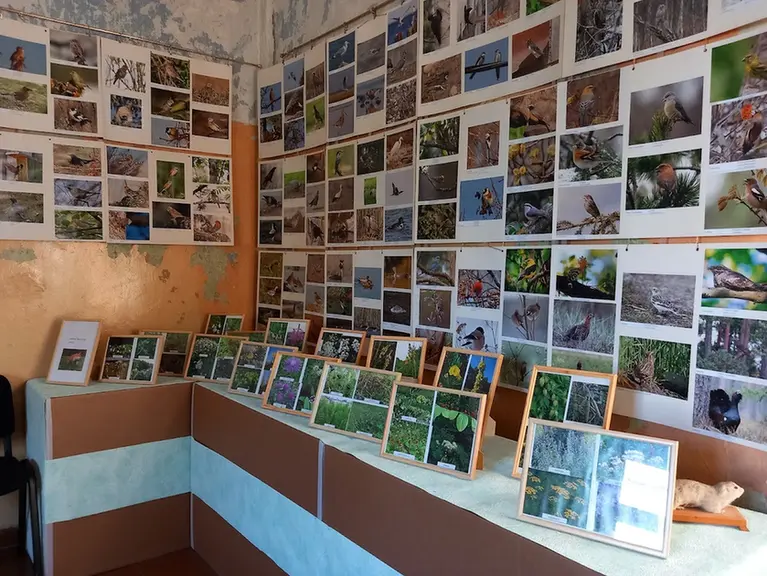
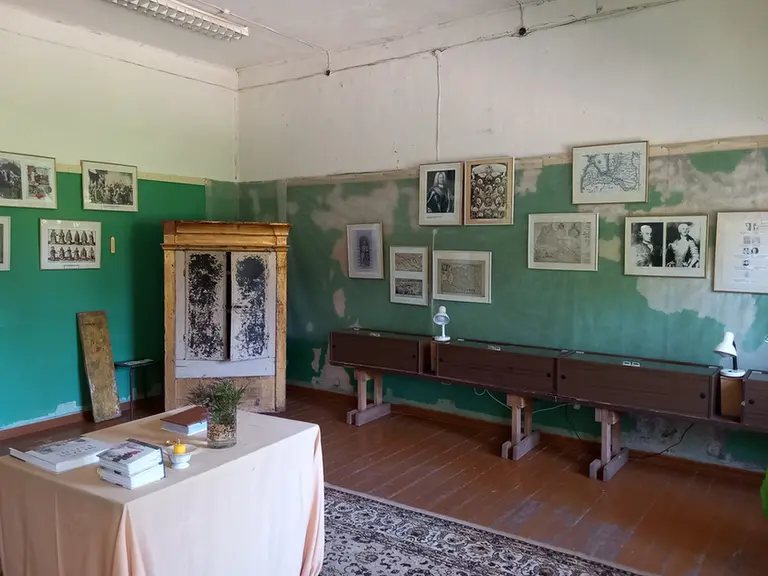
Inside the building and in a specially created exhibition on the history of the manor, discovered artifacts from various periods of the manor house’s existence, starting from the 17th century, are on display. An Orthodox relic—a kiot with a sacred text that was once located in the manor chapel—is preserved here. It has been granted the status of a locally significant art monument in the State Register of Cultural Monuments under State Protection No. 9340.
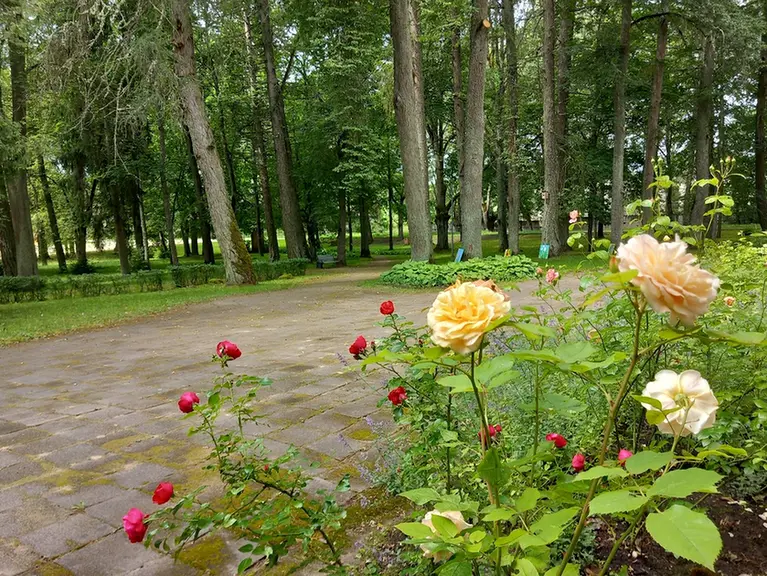
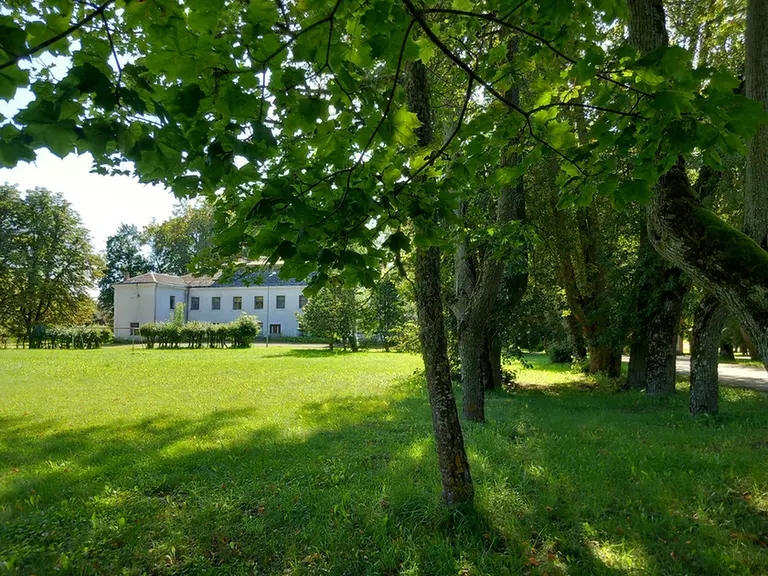
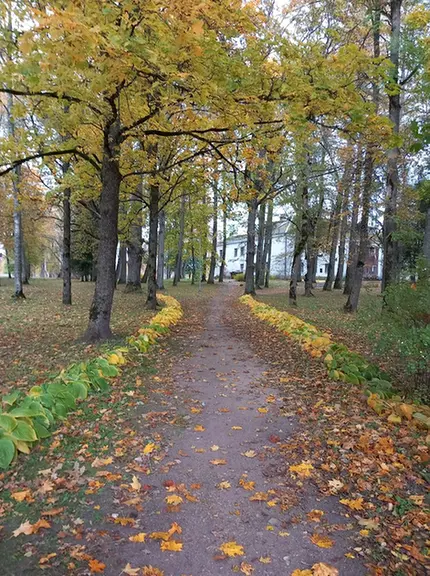
The manor granary (1858) and a part of the old manor park with alleys and new visual objects have been preserved.
Since 2019, the manor house has been entrusted for use to the association Sēļu klubs (Selonians’ Club).
Rooms that have been restored, furnished, and are open to visitors:
Ground floor:
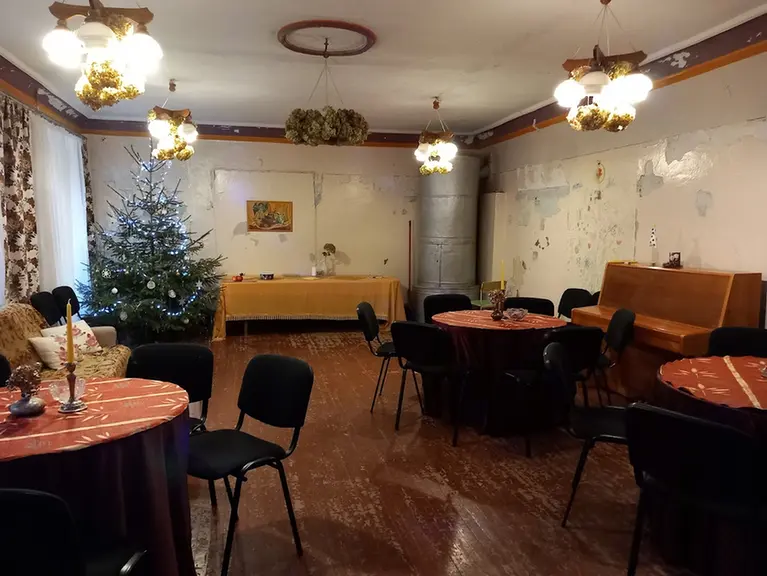
- Event venue – the Rose Hall
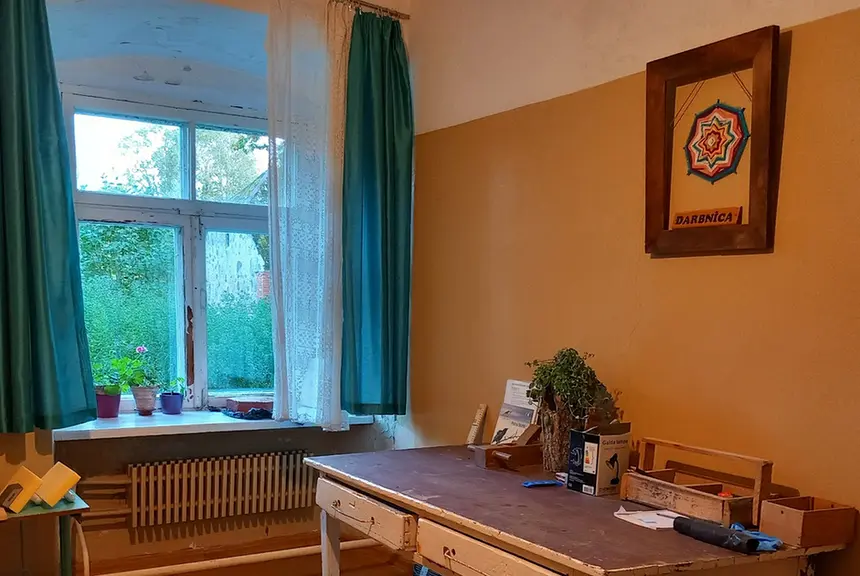
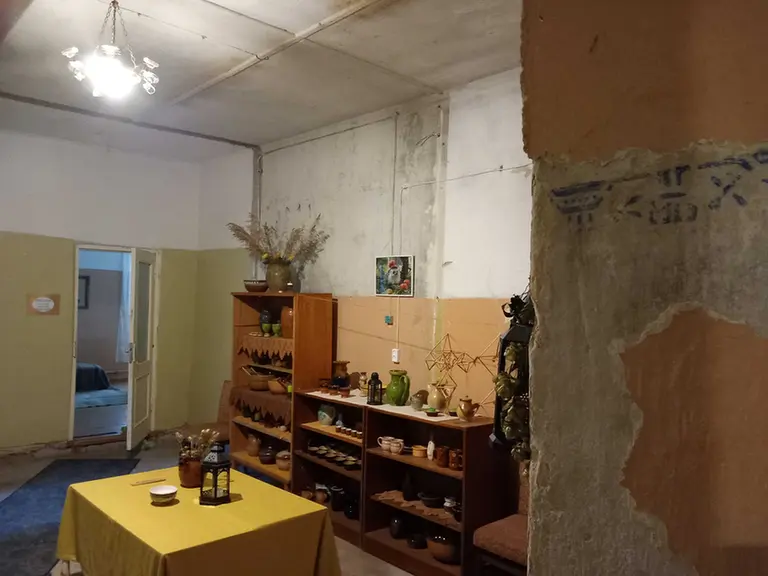
- Open craft workshops – 2 rooms for activities
- Chapel – a place for services and gatherings of the Zalve Evangelical Lutheran congregation
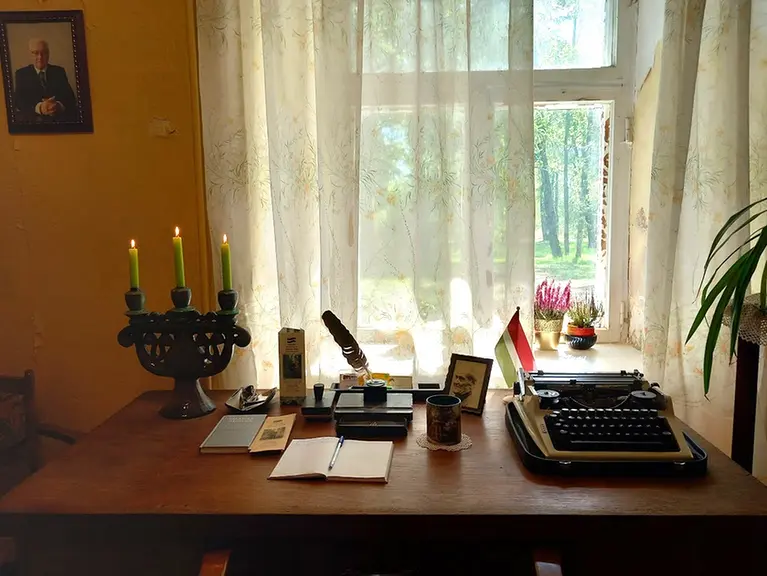
- Memorial room dedicated to local poet Imants Auziņš (1937–2013), opened in 2022
Imants Auziņš was one of the most active Latvian poets of the 20th century, a literary critic, and a translator. Remembered by his contemporaries as a strong and stable personality both in literature and in life. Born in Zalve, he graduated from Zalve Primary School and Nereta Secondary School. He loved his native region and Selonia throughout his life, which is reflected in his creative work.
Second floor:
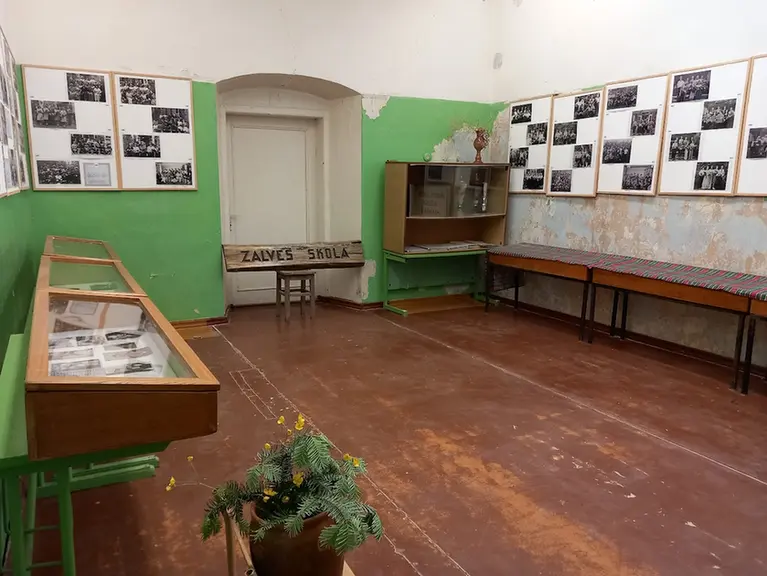
- Exhibition and local history archive about Zalve School and Zalve
- A 20th-century school classroom
- Selonians’ Room – workspace of the Selonians’ Club
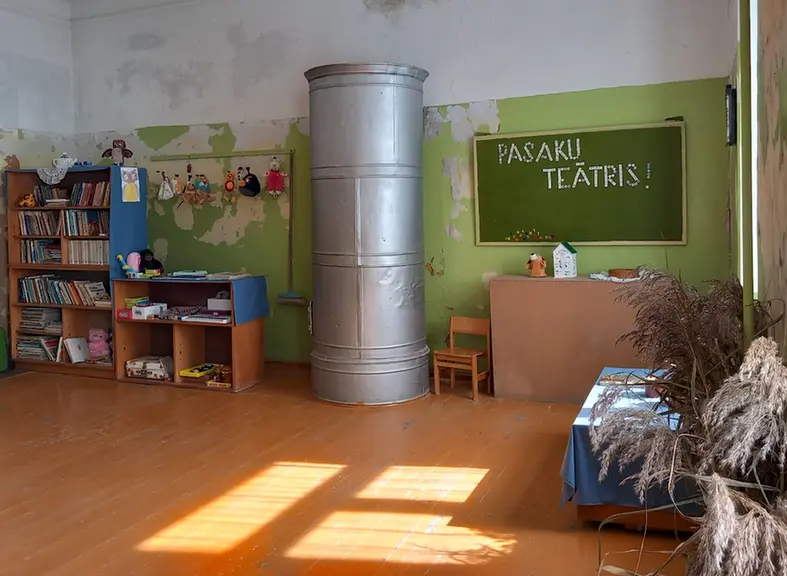
- Activity area for children – Fairy Tale Theatre
- Painting studio
- Hunting wing – rooms about hunters and nature
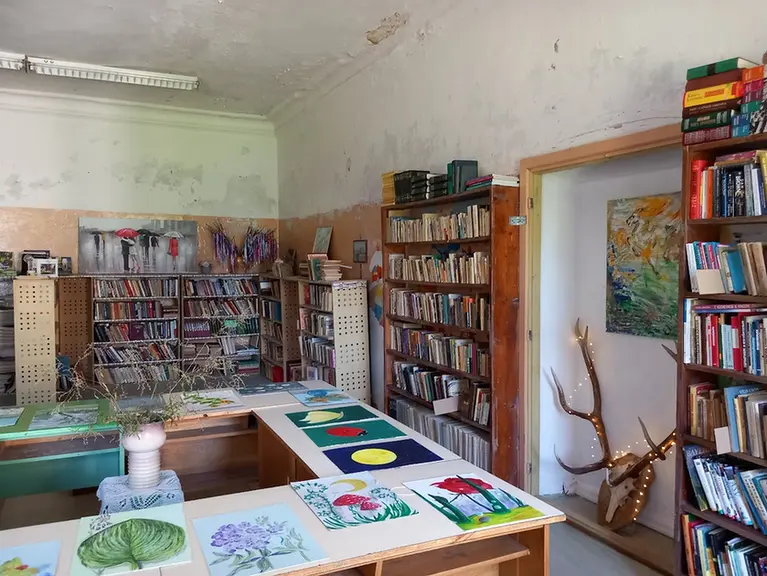
- Book collection – reading room
- Exhibition hall
- Manor history room
Visitors from near and far, as well as locals, are warmly welcome to explore the former counts’ hunting lodge located right by the roadside, reminisce about school days, and learn about the manor’s present-day offerings. The future of Lielzalve Manor is to serve people, making rural life more meaningful, richer, and happier.
Visits to Lielzalve Manor should be arranged at least one day in advance by phone: +371 27 071 996 or +371 28 709 378. Information about events and projects at Lielzalve Manor can be found at: seluklubs.lv
 This virtual toure has been produced as part of the project LL-00061 "Digitally accessible and attractive Lost Culture Heritage tourism destinations in Zemgale and Northern Lithuania" (Reclaimed History), which is co-funded by the European Union under the Interreg VI-A Latvia-Lithuania Programme 2021-2027. Its contents are the sole responsibility of Aizkraukle local municipality and do not necessarily reflect the views of the European Union.
Events (1)
Past events (4)
- Aizkraukle municipality and Koknese Tourism Information centre
1905. gada iela 7, Koknese
(+371) 29275412, (+371) 65161296 - Aizkraukle Tourism Information point
Lāčplēša iela 4, Aizkraukle
(+371) 25727419 - Jaunjelgava Tourism Information point
Jelgavas iela 33, Jaunjelgava
(+371) 27366222 - Pļavinas Tourism Information point
Daugavas iela 49, Pļaviņas
(+371) 22000981 - Skrīveri Tourism Information Point
Daugavas iela 85, Skrīveri, Skrīveru pagasts
(+371) 25661983 - Staburags Tourism Information point
Staburaga saieta nams, 2. stāvs, Staburags, Staburaga pagasts
(+371) 29892925 - Nereta Tourism Information point
Dzirnavu iela 5, Nereta, Neretas pagasts
(+371) 26674300 - Mazzalve Tourism Information point
Skolas iela 1, Ērberģe, Mazzalves pagasts
(+371) 26156535 - Irši Manor Barn - Magazina
Irši, Iršu pagasts
(+371) 29275412